Hey doc, you up?
What if talking to patients, (the very thing clinicians and big pharma want to avoid at all costs), was actually a good thing?

What if talking to patients, (the very thing clinicians and big pharma want to avoid at all costs), was actually a good thing?
Can we truly help patients make informed choices about their health when they may not fully comprehend the information we are sharing with them? Is there a better way to creatively engage customers that isn’t an approvable but ultimately soul-sucking storytelling experience?

No, this isn’t the intro to an insufferable marketing joke—this really happened. The creative ideas that came back (from real, live creatives) was more diverse and prolific than a traditional brief. Bad news for planners. Traditional creatives will be relieved to know the AI work against the brief was unusable. Good news for creatives.
Is pharma waking up to the idea that putting patients at the center of everything they do is a powerful way to improve healthcare from clinical trial to creation of the label, and all the way through to therapies that encourage compliance?
Gene therapy offers tremendous opportunity for a cure, but can big pharma take advantage? Can they move quickly enough for customers who are counting on them? Will the disruptors coming out of health tech beat them to it?
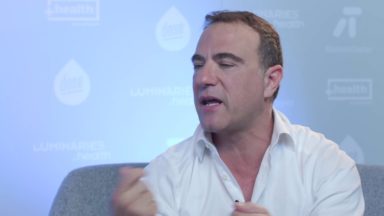
The challenge with current healthcare apps is that they are typically very narrow. They don’t reflect the broader community that the patient engages with. And more practically, the data generated goes into a black hole. What if they could see ALL of their data and personal medical information on demand anywhere they went?

From Lions Health in Cannes, 2018. Two Icons of Health.
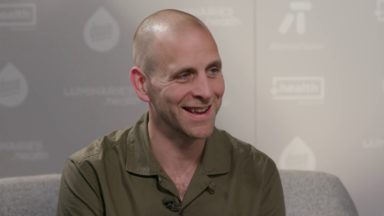
How did a teenager looking for information on anorexia online lead to a new platform for finding information about healthcare? The next horizon for digital healthcare is more about conversations, and those who can lead the way may surprise you.
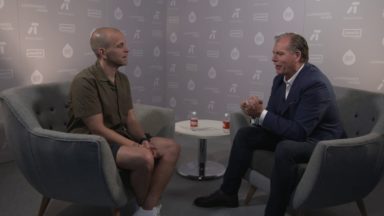
The potential for online chat programs is mindboggling, but the risk is a loss of conversation between a patient and caregiver. Listen to Cameron and John discuss the unique benefits of both, and how we might be able to bridge that gap in the future to work together.
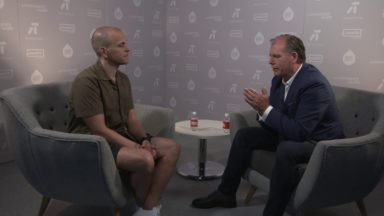
In healthcare, sometimes the best investment is getting doctors and patients to see the resources you have in a new way. AI can help make conversations in a highly regulated environment, like pharma, feel natural without a lot of new materials.
Recent Comments